


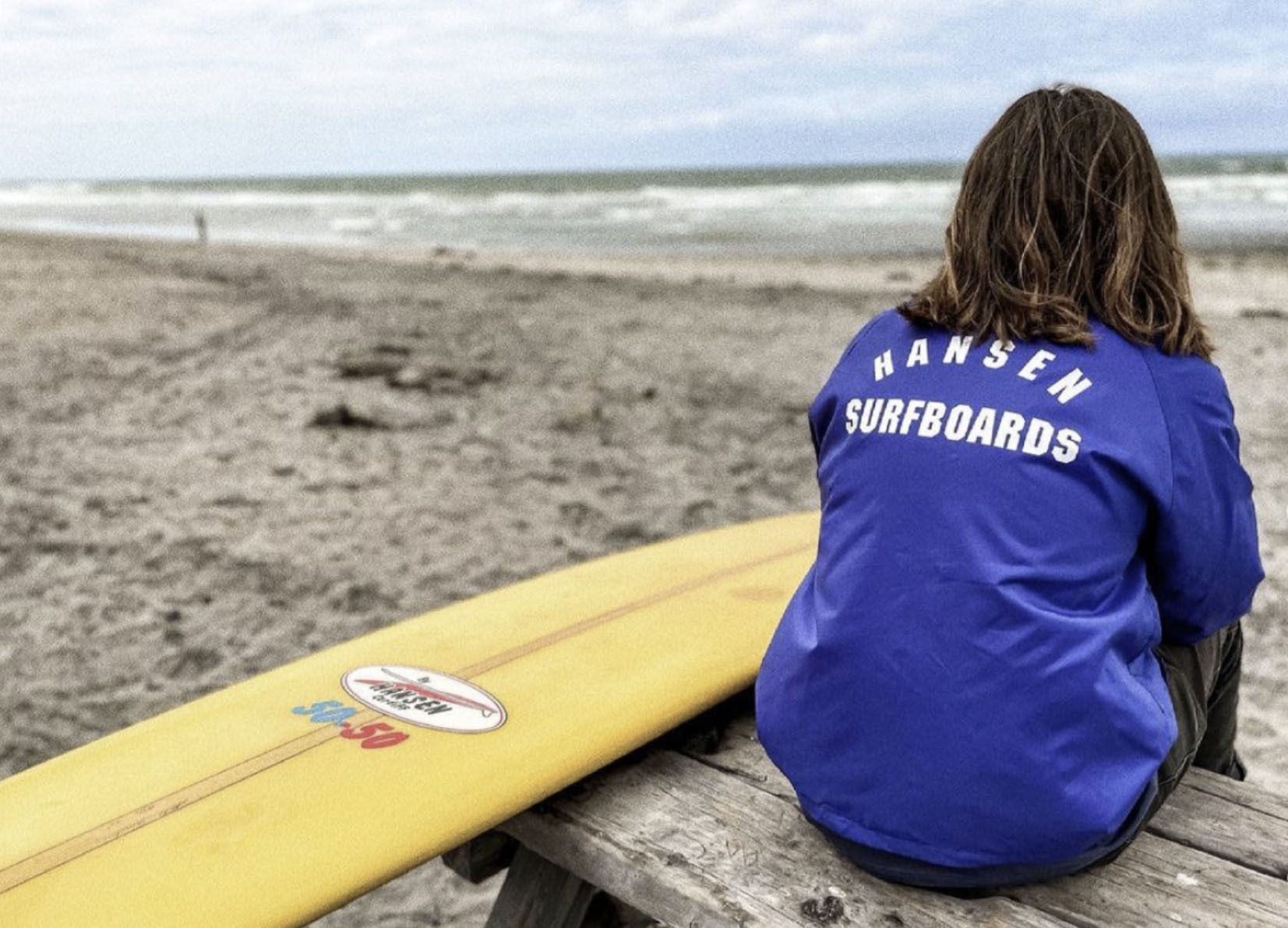
There was a time when surf culture felt genuinely untouchable. It was local, deeply personal, and heavily protected by the people who lived it every day. Surf shops were not curated aesthetic spaces built for social media. They were community hubs where boards got repaired, stories got exchanged, wetsuits dried outside, and generations of surfers passed knowledge down quietly.
That authenticity is exactly why heritage surf shops still matter so much today.
In a world where “coastal lifestyle” has become a global fashion category, brands with real surf history suddenly stand out more than ever. Consumers can instantly feel the difference between a company borrowing surf aesthetics and one that actually helped shape surf culture itself.
That is where Hansen Surfboards occupies a unique space. The Encinitas institution is not simply a surf retailer. It is part of California surf history itself, tied directly to the evolution of modern surfing culture, surfboard shaping, and the Southern California beach lifestyle that eventually influenced fashion and lifestyle trends worldwide.
And strangely enough, that authenticity feels even more valuable in 2026 than it did decades ago.
Surf Culture Became Mainstream but Authenticity Became Rare
One of the biggest shifts happening in fashion and lifestyle culture is how heavily surf aesthetics have entered the mainstream. Relaxed coastal fashion, oversized hoodies, vintage surf graphics, boardshorts, beach-ready neutrals, and laid-back California styling now influence everything from luxury fashion to social media trends.
But as surf culture became commercialized, consumers also became much better at spotting what feels real versus manufactured.
Hansen Surfboards continues standing out because the company is genuinely rooted in surf history. Founder Don Hansen began shaping boards in the early 1960s after returning from Hawaii’s North Shore, eventually building Hansen Surfboards into one of Southern California’s most iconic surf shops directly across from Swami’s in Encinitas.
That heritage matters because younger consumers increasingly crave brands with real stories behind them. In an era filled with drop-shipping brands and algorithm-built aesthetics, heritage itself became valuable again.
The surf industry reflects this strongly. People are drawn toward companies connected to actual surfing communities, board craftsmanship, and long-standing coastal culture rather than purely trend-driven branding.
Authenticity became the new luxury.
The Modern Surf Shop Is Becoming a Community Space Again
Another interesting shift happening right now is the return of physical retail experiences people genuinely enjoy visiting. Consumers are burned out on endless faceless online shopping. They increasingly value stores that feel cultural, personal, and experience-driven.
That is one reason legendary surf shops continue thriving despite massive changes in retail overall.
Hansen Surfboards is repeatedly described as far more than just a surf retailer. The shop has become known as a gathering space for surfers, beach enthusiasts, and travelers, with staff deeply connected to the lifestyle itself.
That community aspect matters enormously in surf culture because surfing has always been about more than equipment alone. Local knowledge, wave conditions, board advice, and surf storytelling all shape the culture around the sport.
Even online surf communities frequently reference Hansen’s legacy and historical significance when discussing vintage boards, shaping history, and Southern California surf culture. Reddit users regularly post vintage Hansen boards while discussing serial numbers, shaping timelines, and collectible models dating back to the 1960s.
That kind of generational recognition cannot really be manufactured through marketing campaigns.
Vintage Surfboards Became Cultural Artifacts
One of the most fascinating things happening in surf culture is the growing appreciation for vintage surfboards as collectible design pieces and historical artifacts.
Older Hansen models like the Superlight, 50-50, Competitor, and Da Cat are still discussed enthusiastically inside surfing communities decades after their release.
Collectors and surfers alike increasingly value these boards not only for ride quality but for what they represent culturally. Vintage surfboards capture entire eras of California surf history, design experimentation, and craftsmanship before mass production changed much of the industry.
That collector culture reflects a broader lifestyle trend happening right now. Consumers increasingly romanticize analog craftsmanship, heritage manufacturing, and products connected to real cultural history. Surfboards themselves became symbols of slower, experience-driven living.
Surfing Quietly Became Part of the Wellness Conversation
One reason surf culture continues attracting new audiences is because surfing increasingly overlaps with wellness culture. People are actively searching for hobbies that combine movement, nature, mental clarity, and community instead of purely screen-based entertainment.
Surfing naturally fits that need.
Being in the ocean, disconnecting from devices, moving physically, and spending time outdoors all align with broader wellness priorities that became much more important in recent years. Coastal lifestyles themselves are increasingly romanticized as healthier, calmer, and more grounded alternatives to hyper-digital routines.
Hansen Surfboards benefits from this broader lifestyle appeal because the brand sits at the center of surf culture, beach fashion, outdoor recreation, and coastal living all at once.
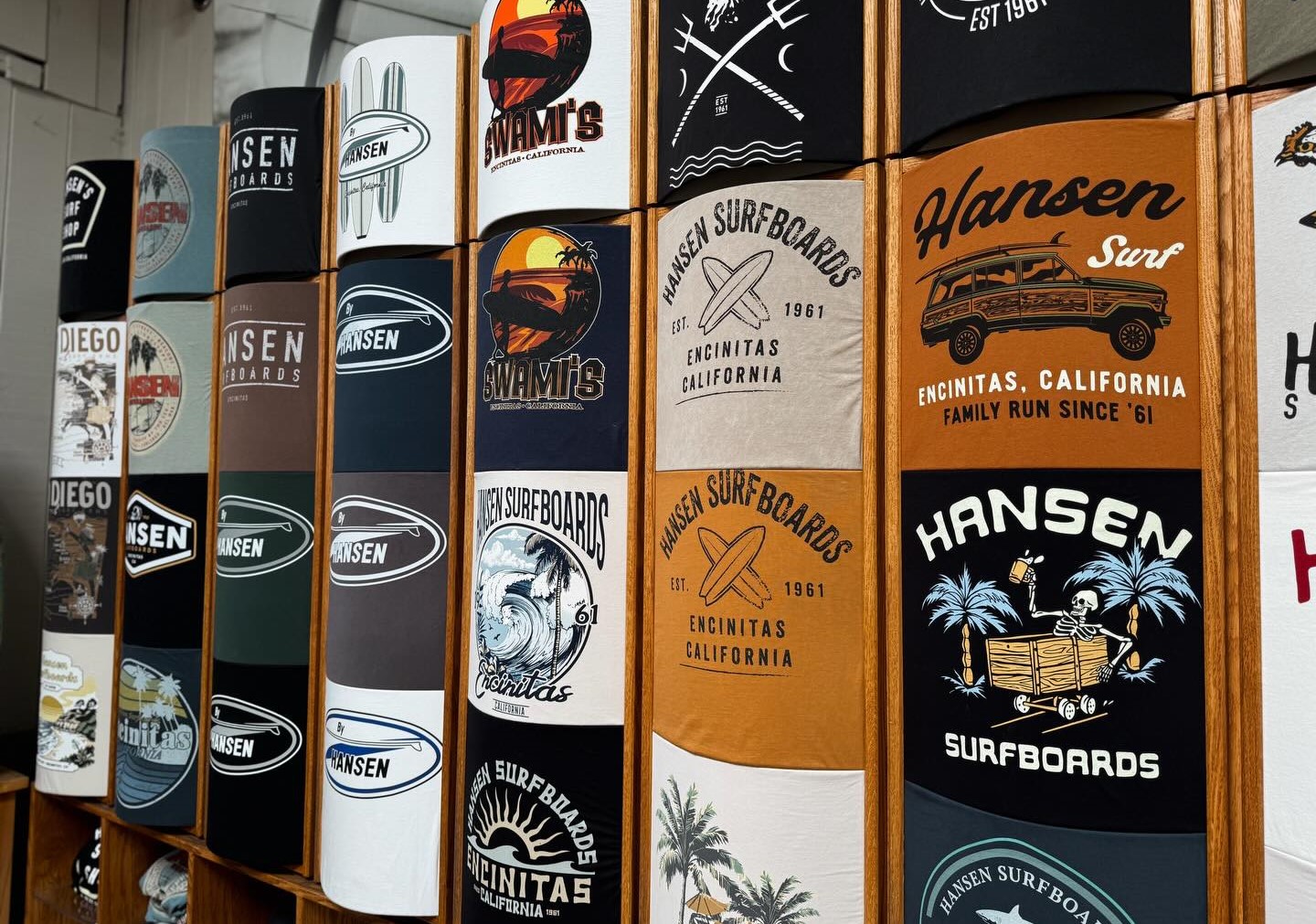
The store itself evolved beyond surfboards alone into a larger beach lifestyle retailer carrying apparel, footwear, wetsuits, accessories, and outdoor gear connected to California coastal culture.
That crossover matters because modern consumers increasingly build identities around lifestyles rather than individual hobbies.
Surfing today represents freedom, movement, simplicity, nature, creativity, and escape from digital overload all at once.
Why Heritage Brands Feel More Trustworthy Again
One major trend across fashion and lifestyle industries is the renewed appreciation for long-standing family-owned businesses. Consumers increasingly distrust brands that appear overnight with no real history or expertise.
Heritage businesses feel more reliable because they survived changing trends, economic cycles, and cultural shifts over decades.
Hansen Surfboards remains family owned after more than 60 years, something repeatedly highlighted in company history and industry coverage.
That continuity became especially meaningful following the recent passing of founder Don Hansen, who was widely remembered across the surfing world as both a shaping pioneer and deeply influential figure in California surf culture.
The emotional response from surf communities revealed how strongly people still connect with legacy surf brands tied to real personalities and cultural contributions rather than anonymous corporations.
Consumers increasingly want products connected to human stories again.

What People Actually Look for in Modern Surf Retailers
The surf market became incredibly crowded, but shoppers today care about far more than logo recognition alone. Consumers increasingly evaluate surf retailers based on authenticity, expertise, and overall lifestyle credibility.
Important things many shoppers now consider include:
- Real surf heritage and community involvement
- Product quality and technical expertise
- Knowledgeable staff with surfing experience
- Board selection and customization options
- Brand authenticity
- Sustainability efforts
- Long-term cultural reputation
- Balance between fashion and performance
Hansen Surfboards appeals strongly because it combines deep surf history with modern retail relevance. The company still operates as both a serious surf shop and broader coastal lifestyle destination without losing its roots. That balance is surprisingly difficult to maintain in industries heavily shaped by trends.
Real Surf Culture Still Matters More Than Trends
The biggest reason heritage surf shops remain culturally important is because surfing itself was never only about products. It has always been about place, community, creativity, craftsmanship, and identity.
That is why Hansen Surfboards still resonates so strongly today. The brand represents something increasingly rare: a business deeply connected to the culture it helped create.
As surf aesthetics continue influencing mainstream fashion and lifestyle trends, consumers are becoming more intentional about supporting brands with genuine roots rather than borrowed identities. And in many ways, that reflects a larger cultural shift happening everywhere right now.
People are tired of manufactured cool. They want places, brands, and experiences that actually mean something.