


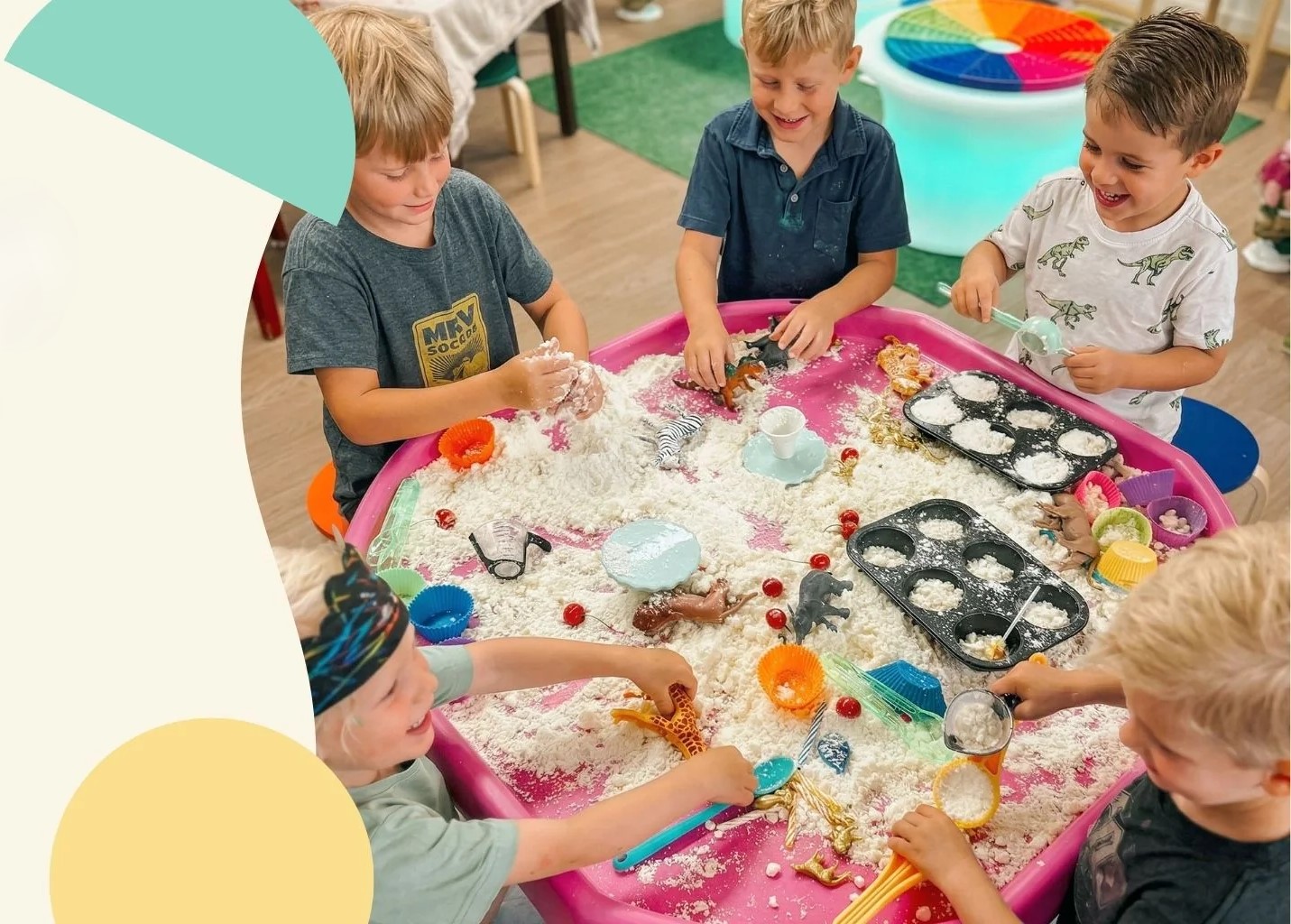
Children learn best when they can touch, explore and engage with the world around them. Sensory play sits at the heart of early childhood development, offering a way for kids to build critical thinking skills, refine motor control and strengthen emotional regulation, all through open-ended, hands-on exploration. Whether you’re a parent, educator or caregiver, understanding why play matters and how to make it a consistent part of a child’s day can transform the way they grow and discover.
What Is Play and Why Does It Matter?
Play refers to any activity that engages a child’s senses, touch, sight, sound, smell and even taste. It includes digging through sand, manipulating water, squeezing kinetic sand or exploring textured materials in a tray. The science behind it is compelling when children engage their senses, they activate multiple brain regions simultaneously, building neural pathways that support memory, attention and problem-solving. Meka Play designs products with exactly this developmental purpose in mind, creating tools that are both durable and genuinely engaging for young children.
The Role of Sensory Trays in Structured Play
Sensory trays have become one of the most popular setups for at-home and classroom play and for good reason. They provide a defined space where children can focus their exploration without the mess spreading everywhere. A quality tray lets parents fill it with sand, water beads, dried pasta, shredded paper or any sensory material that suits the season or learning theme. Meka Sensory Play offers trays in thoughtful sizes and robust materials, designed to handle energetic young learners who are just discovering cause and effect. The raised edges keep materials contained, while the smooth interior surface makes cleanup straightforward.
- Sensory trays support focus and attention in children who struggle with sitting still.
- Open-ended fillers like water beads and kinetic sand encourage creative thinking.
- Structured sensory time can help calm an overstimulated or anxious child.
- Trays are easy to adapt for different ages, from toddlers to early primary school learners.
- Regular play correlates with improved fine motor skills and pencil grip readiness.

Play for Different Ages and Stages
One of the great strengths of play is how well it scales across developmental stages. For babies and younger toddlers, simple texture exploration, soft fabrics, chilled gel mats or smooth wooden shapes, provides the appropriate level of stimulation without overwhelming undeveloped senses. As children grow into the two-to-four age range, they begin to engage in more purposeful play, using tools to scoop, pour and sort. Older preschoolers and kindergarteners benefit from sensory activities with a narrative element, such as building a miniature world in a sand tray or setting up a pretend garden with natural materials. Meka Play offers products that grow with children, making them a practical long-term investment for families.
How Sensory Play Supports Emotional Regulation
Beyond cognitive development, play has a measurable impact on a child’s emotional world. The repetitive, rhythmic nature of activities like raking sand or squeezing putty engages the parasympathetic nervous system, the branch responsible for calm, rest and recovery. Many occupational therapists recommend daily play as a tool for children who experience heightened anxiety, sensory processing difficulties or attention-related challenges. Even for neurotypical children, a dedicated play session before school or during afternoon energy peaks can reduce meltdowns and increase readiness to listen. The key is consistency making play a predictable part of the routine rather than an occasional treat.
Setting Up a Play Space at Home
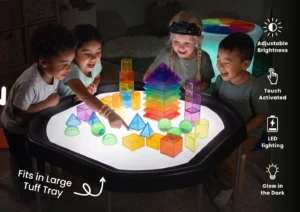
Creating a sensory play area at home doesn’t require a dedicated room or a large budget. A corner of the kitchen, a section of the backyard or even a bathroom countertop can serve as a sensory station. The most important element is having the right containment equipment, a sturdy tray that handles both wet and dry materials and holds up to daily use. From there, rotating the fillers every few weeks keeps the setup fresh and maintains a child’s interest. Meka Play products are designed for exactly this kind of everyday home setup, combining practical durability with child-safe materials that parents can feel confident about. Pairing the tray with a low shelf of accessible accessories, scoops, moulds, small figures and natural items, invites independent play and reduces the need for constant adult facilitation.
Choosing the Right Play Equipment
Not all play products are created equal. When choosing equipment, parents should look for materials that are easy to clean, structurally sound and sized appropriately for the child using them. Edges should be smooth, materials should be non-toxic and if the product is for younger children, all components should be large enough to avoid choking hazards. Meka Play applies these principles across its range, producing trays and accessories that meet the practical demands of real family life without compromising on quality or safety. Checking that equipment is robust enough to handle repeated outdoor use is also worth considering, since outdoor play, with mud, water, leaves and natural materials, adds a whole new dimension to a child’s experience.
Building sensory play into a child’s daily life is one of the most straightforward and effective things a parent or educator can do for long-term development. With the right tools, it becomes something children look forward to and something that quietly shapes how they think, feel and engage with the world around them.


