
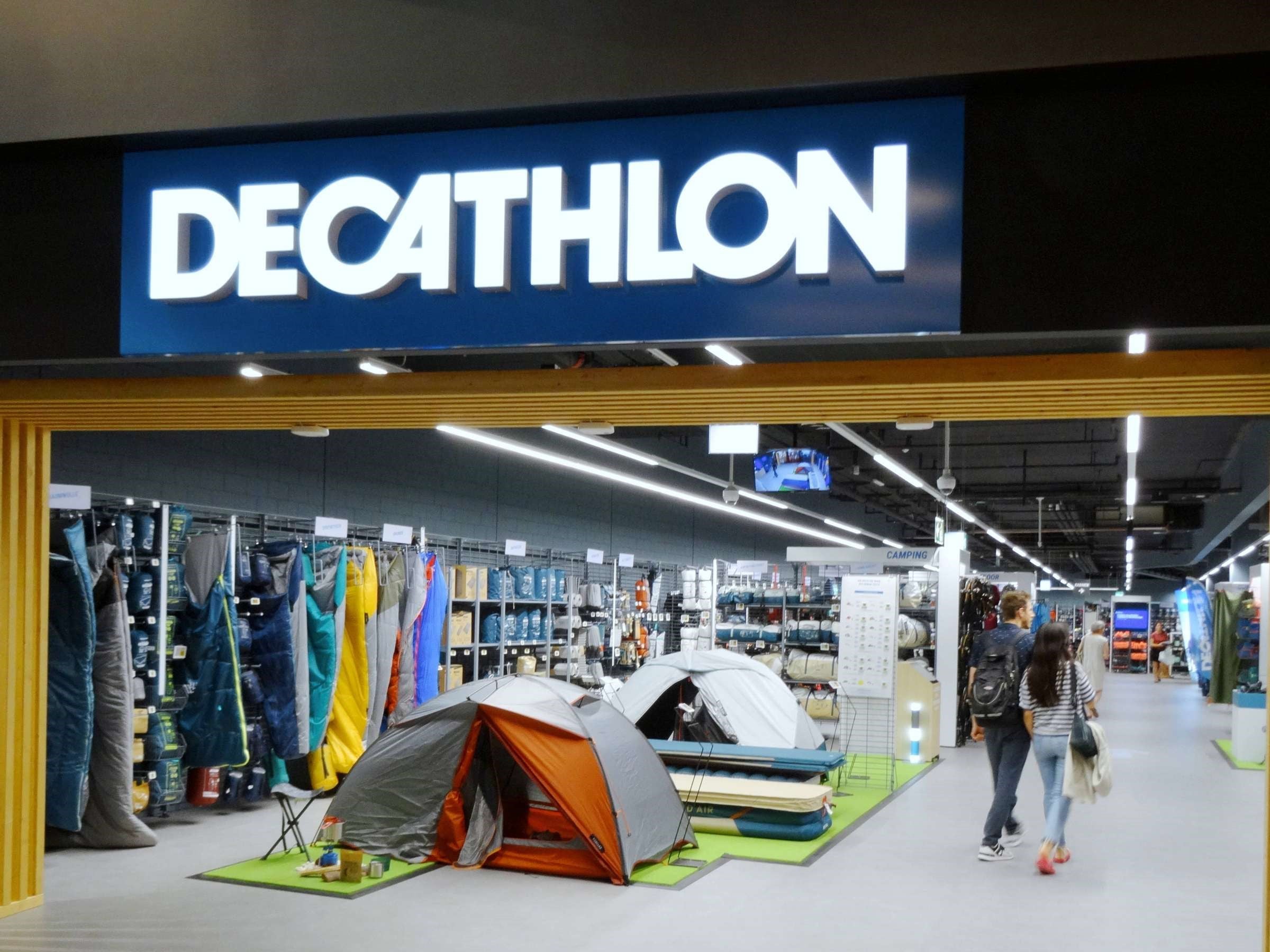
Picking the right equipment can make the difference between a good session and a great one. Whether someone is just getting into a new sport or looking to upgrade their current setup, having gear that fits the activity and the person using it matters far more than most beginners expect. Decathlon has built its reputation by making quality sports equipment accessible to people at every skill level, from first-time cyclists to seasoned trail runners.
Why Equipment Choice Shapes Your Experience
The right gear does not just protect you from injury. It changes how you move, how confident you feel and how quickly you improve. A well-fitted pair of running shoes absorbs impact correctly and reduces fatigue. A properly sized bicycle transfers power efficiently and keeps your posture aligned. When equipment fits the purpose and the person, training becomes more enjoyable and progress comes faster.
Many people underestimate this connection and either overspend on professional-grade gear they do not yet need or underspend on items so basic they hold back progress. Finding the middle ground is where smart shopping starts.
Key Categories to Consider Before You Buy
Sports gear divides naturally into a few core areas. Understanding which category your needs fall into helps narrow down choices quickly
- Footwear, the most personal item in any kit; fit, cushioning and grip vary dramatically by sport
- Clothing, moisture-wicking fabrics, compression fits and thermal layers each serve specific conditions
- Equipment, rackets, bikes, weights and pads that directly interact with performance
- Safety gear, helmets, knee pads and visibility accessories that protect without restricting movement
- Accessories, water bottles, bags and training aids that support long sessions
Each category has its own considerations and Decathlon covers all of them with a range wide enough that shoppers rarely need to look elsewhere to complete a full setup.
Matching Gear to Skill Level
One of the most practical decisions any buyer makes is matching gear to current ability rather than aspirational ability. A beginner cyclist does not need a carbon-frame road bike with professional drivetrain components. A recreational swimmer benefits more from a comfortable, durable swimsuit than from a competition-grade racing suit designed to shave tenths of a second off lap times.
Starting with entry or mid-range gear lets you learn what you actually need from equipment before committing to premium versions. It also means less hesitation about using gear hard, which is exactly how skills develop fastest. Decathlon structures its product lines with this progression in mind, making it straightforward to find gear suited to where you are right now.
Outdoor vs. Indoor How Environment Changes Everything
Gear that performs well indoors often fails outdoors and the reverse is just as true. Trail running shoes have aggressive lugs that grip mud and loose rock but feel clunky and harsh on a treadmill. Indoor cycling shoes clip into fixed pedal systems that would be impractical on a mountain bike trail. Knowing whether an activity takes place in a controlled environment or exposed conditions shapes nearly every gear decision.
Weather resistance, UV protection and thermal regulation all become relevant for outdoor sports. Ventilation, grip surfaces and court-specific sole patterns matter more indoors. Identifying the primary environment before purchasing avoids the frustration of gear that does the job halfway.
How to Read Product Specifications Without Getting Lost
Product pages can overwhelm buyers with numbers and technical terms. A few guidelines help cut through the noise. For footwear, focus on drop height (the difference between heel and toe height), cushioning type and width fitting. For clothing, look at fabric composition and weight, lighter fabrics breathe better in heat, heavier ones insulate in cold. For equipment like bikes or rackets, the key specs are size or frame geometry and material, which affect both performance and durability.
Reading user reviews filtered by activity type adds another layer of real-world context that technical specs alone cannot provide. Shoppers who take ten minutes to compare two or three options usually end up far more satisfied than those who buy on impulse. Decathlon provides detailed product descriptions that make this comparison process straightforward.
Building a Kit That Lasts
Durability is as important as performance, especially for people who train regularly. Gear that wears out quickly costs more in the long run than slightly more expensive items built to last. Stitching quality, sole construction and material thickness all signal how long a product will hold up under repeated use. Checking care instructions before buying also helps, some technical fabrics require special washing to maintain their properties and ignoring that shortens their lifespan considerably.
Building a kit gradually, starting with the essentials and adding specialist items as the activity becomes a regular habit, is a sound approach that keeps costs manageable without sacrificing quality where it matters most. For anyone looking to equip themselves properly across a range of sports, Decathlon offers a broad selection that makes it possible to find the right item for almost any activity, whether someone is just starting out or deepening a long-standing passion for sport.
Good gear is an investment in consistency. When equipment fits right and performs reliably, the barrier to showing up for another session drops and that consistency is what actually drives improvement over time. Exploring what Decathlon has available is a practical first step toward building a kit that supports whatever sport you are working to improve.