
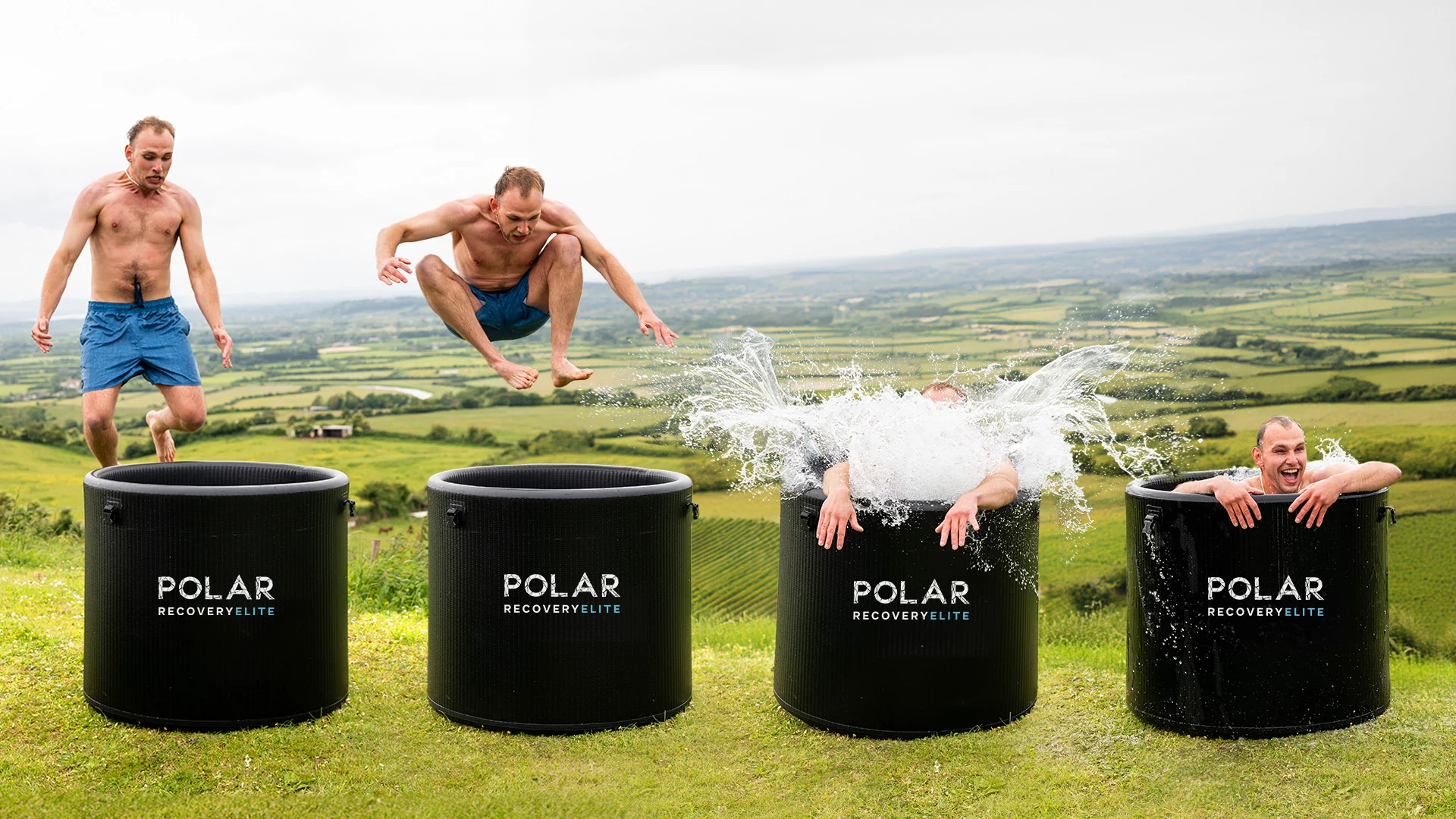
Cold exposure used to be something associated with elite athletes, extreme training environments, or rehabilitation clinics. Today, it has quietly moved into everyday wellness culture. From gym-goers to busy professionals, more people are using cold immersion as a recovery tool to feel better, move better, and reset mentally.
That shift is exactly where Polar-Recovery sits in the market. Instead of being a medical-style device or a luxury spa installation, it positions cold therapy as something you can set up at home, use regularly, and integrate into a fitness routine without complexity.
The appeal is simple: recovery is no longer optional in modern fitness culture. It is part of performance.
Recovery is now treated like training, not just rest
In modern fitness thinking, rest days are no longer passive. They are structured recovery days designed to improve performance for the next session. Cold exposure has become one of the most popular methods used to reduce soreness and support physical reset after intense training.
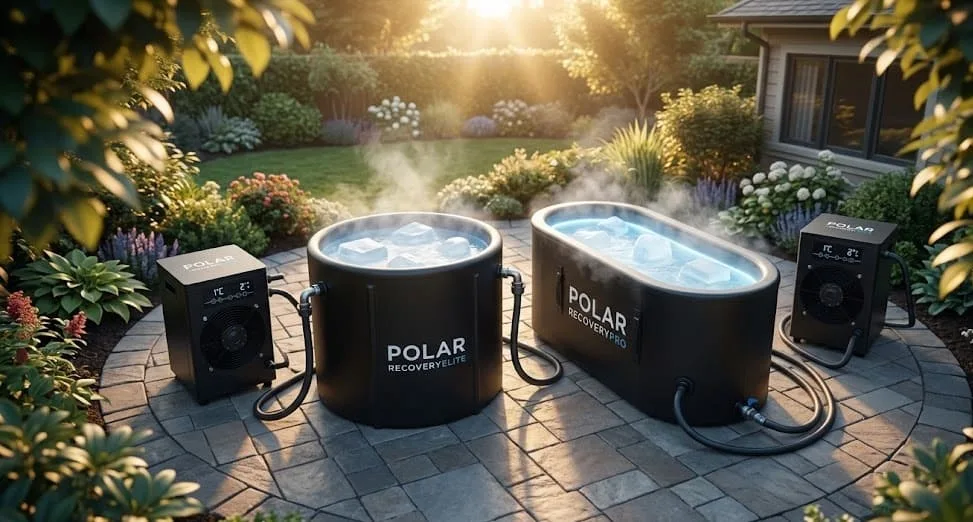
Polar-Recovery fits into this mindset by offering portable ice bath systems designed for repeated use rather than occasional recovery sessions. Instead of relying on gym facilities or expensive installations, users can bring cold therapy into their own routine.
The reason this matters is because fitness habits have changed:
- people train more frequently during the week
- hybrid workouts (gym + running + sports) increase fatigue
- recovery is needed to avoid burnout and injury
- consistency matters more than intensity alone
- home-based wellness tools are becoming standard
Cold therapy is no longer a “special occasion” tool. It is part of weekly structure.
Cold immersion moved from elite sport into everyday wellness culture
What was once reserved for professional athletes is now widely used by everyday fitness enthusiasts. Social media has played a huge role in normalizing ice baths as part of morning routines, post-workout recovery, and mental discipline practices.
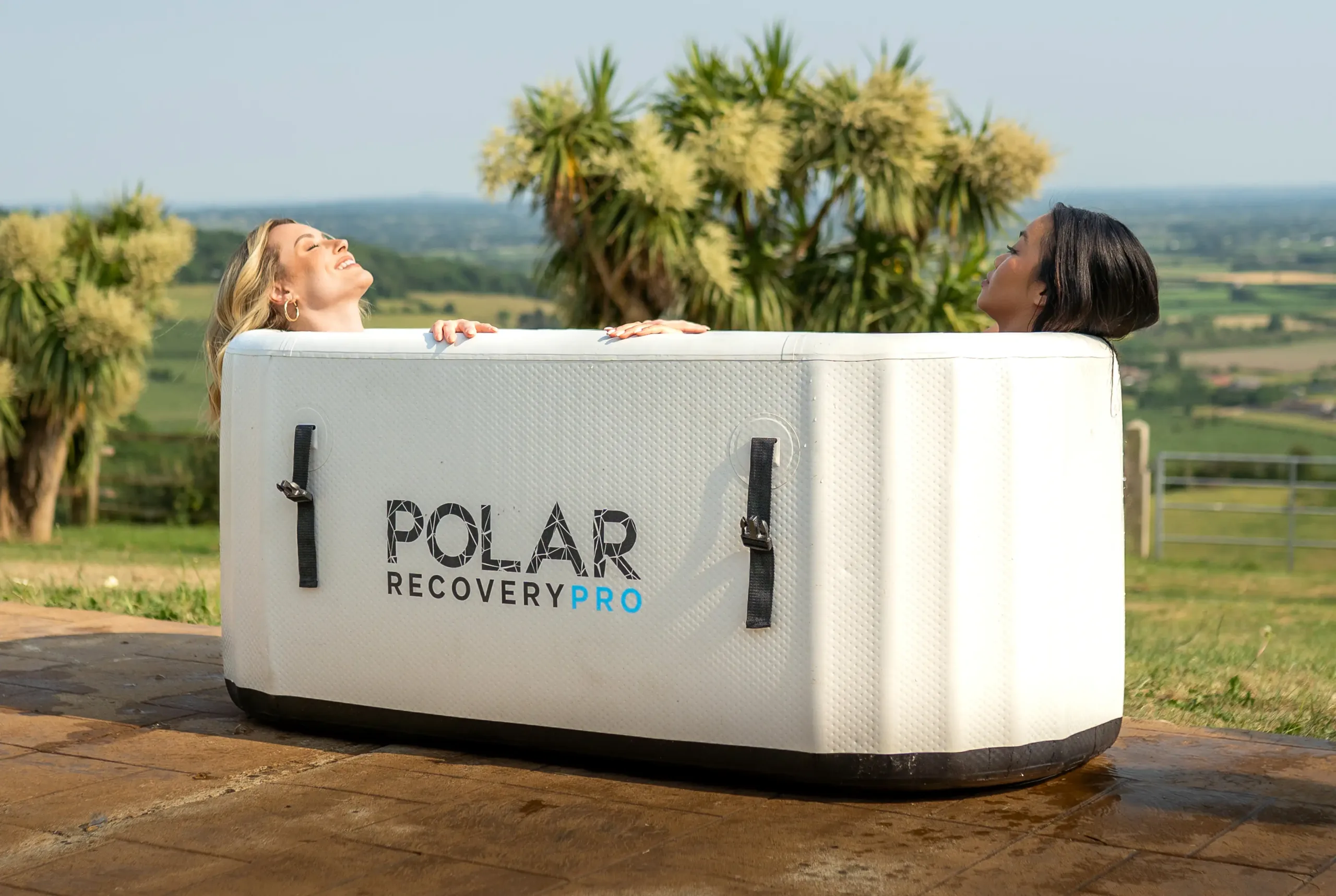
Polar-Recovery taps into this shift by making cold immersion feel more accessible and less intimidating. Instead of a clinical setup, it is positioned as a simple at-home system that can be filled, used, and stored without permanent installation.
Users are drawn to cold therapy for a mix of reasons:
- reduced muscle soreness after workouts
- faster perceived recovery between sessions
- mental clarity and alertness after exposure
- discipline-building morning routines
- stress reset during busy schedules
This combination of physical and mental effects is what made cold exposure go mainstream.
Convenience is now just as important as performance
Even though cold therapy has strong physiological appeal, most people will not use it consistently if it is complicated. That is why ease of setup and maintenance has become a major factor in product adoption.
Polar-Recovery is designed around portability and quick assembly, which aligns with how modern users approach wellness tools. If something takes too long to set up or store, it tends to be abandoned after initial excitement fades.
The modern wellness user typically values:
- quick setup without tools or installation
- portability for indoor or outdoor use
- easy draining and cleaning
- compact storage when not in use
- minimal ongoing maintenance
This reflects a broader trend: wellness only works if it fits into real life.
Home wellness equipment is replacing gym-only recovery tools
Recovery used to happen in specific environments: physiotherapy clinics, gyms, or sports facilities. Now, more people are building recovery setups at home that include stretching zones, mobility tools, and cold therapy systems.
Polar-Recovery sits in this category of home-based recovery tools that allow users to take control of their routine. Instead of scheduling recovery around external access, people are creating consistent habits at home.
Common home recovery setups now include:
- cold plunge or ice bath systems
- foam rolling and mobility stations
- infrared sauna or heat therapy tools
- breathwork or meditation spaces
- post-workout stretching zones
This shift shows how fitness is becoming more lifestyle-integrated rather than gym-dependent.
The science-driven appeal of cold therapy keeps growing
Cold exposure is increasingly discussed not just as a trend, but as a practice with measurable physiological effects. While research is still evolving, many users report benefits in soreness reduction, alertness, and perceived recovery speed.
Polar-Recovery leverages this interest in evidence-backed wellness by positioning ice baths as part of a broader recovery strategy rather than a standalone ritual.
What users are most interested in includes:
- inflammation management after intense training
- improved circulation response from cold exposure
- mental resilience from controlled discomfort
- potential sleep quality improvements for some users
- post-exercise recovery support
The growing curiosity around cold exposure reflects a wider trend: people want tools that feel both practical and science-informed.
Mental resilience is becoming a key reason people try ice baths
Beyond physical recovery, many users are drawn to cold immersion for psychological reasons. The act of voluntarily entering cold water is often described as a form of mental training that builds discipline and stress tolerance.
Polar-Recovery fits into this mindset by being part of a routine rather than a one-time challenge. Regular use turns cold exposure into a habit rather than a shock experience.
People often report benefits such as:
- improved ability to handle discomfort
- stronger morning focus and alertness
- sense of achievement after sessions
- reduced stress reactivity over time
- clearer mental state post-exposure
This is why cold therapy is often described less as a treatment and more as a practice.
Why recovery tools are becoming part of everyday identity
Fitness is no longer just about how often you train. It is about how well you recover, how consistent your routine is, and how you manage physical and mental energy throughout the week. Recovery tools are becoming part of that identity.
Polar-Recovery represents this shift toward accessible, at-home recovery systems that support consistent habits rather than occasional use.
In the end, cold therapy is no longer an extreme practice. It has become part of a broader wellness culture where recovery, discipline, and daily performance are all connected in one simple idea: taking care of the body is now part of how people design their everyday life.