
Mobile photography has evolved far beyond point-and-shoot convenience. For anyone who takes image quality seriously, the right lens attachment can transform a smartphone into a capable imaging tool that rivals dedicated cameras in many everyday situations. Apexel has built a reputation in this space by producing clip-on lenses and photography accessories designed for photographers who refuse to compromise on results just because they are shooting from a phone.
What Makes Clip-On Lenses Worth Carrying
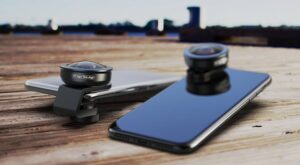
The argument for carrying a clip-on lens is straightforward. Smartphones ship with fixed focal lengths and limited optical zoom, which means certain shots, wide-angle architecture, tight macro details or distant subjects, require a workaround. Software zoom degrades quality. Cropping afterward costs resolution. A physical lens attachment, by contrast, bends light before it reaches the sensor, preserving sharpness and capturing detail the built-in optics simply cannot reach.
Clip-on designs attach in seconds and fit into a jacket pocket. For street photographers, travel shooters and content creators who move fast and travel light, this portability matters as much as the optical quality itself.
Wide-Angle and Fisheye Options for Expansive Scenes
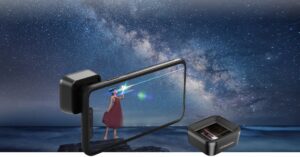
Wide-angle lenses expand the field of view, which is useful when shooting interiors, group portraits or sweeping landscapes where the native lens cuts off too much of the scene. Fisheye attachments push this further, introducing a dramatic curved perspective that works well for action sports, skateboarding, cycling and creative portrait work where distortion becomes part of the visual language.
Apexel offers several wide-angle options across different magnification levels, allowing photographers to choose how dramatically they want to open up their frame. The glass quality in these attachments matters significantly, as cheaper alternatives often introduce chromatic aberration and vignetting at the edges, problems that require time-consuming editing to fix.
Telephoto Attachments for Distance and Detail
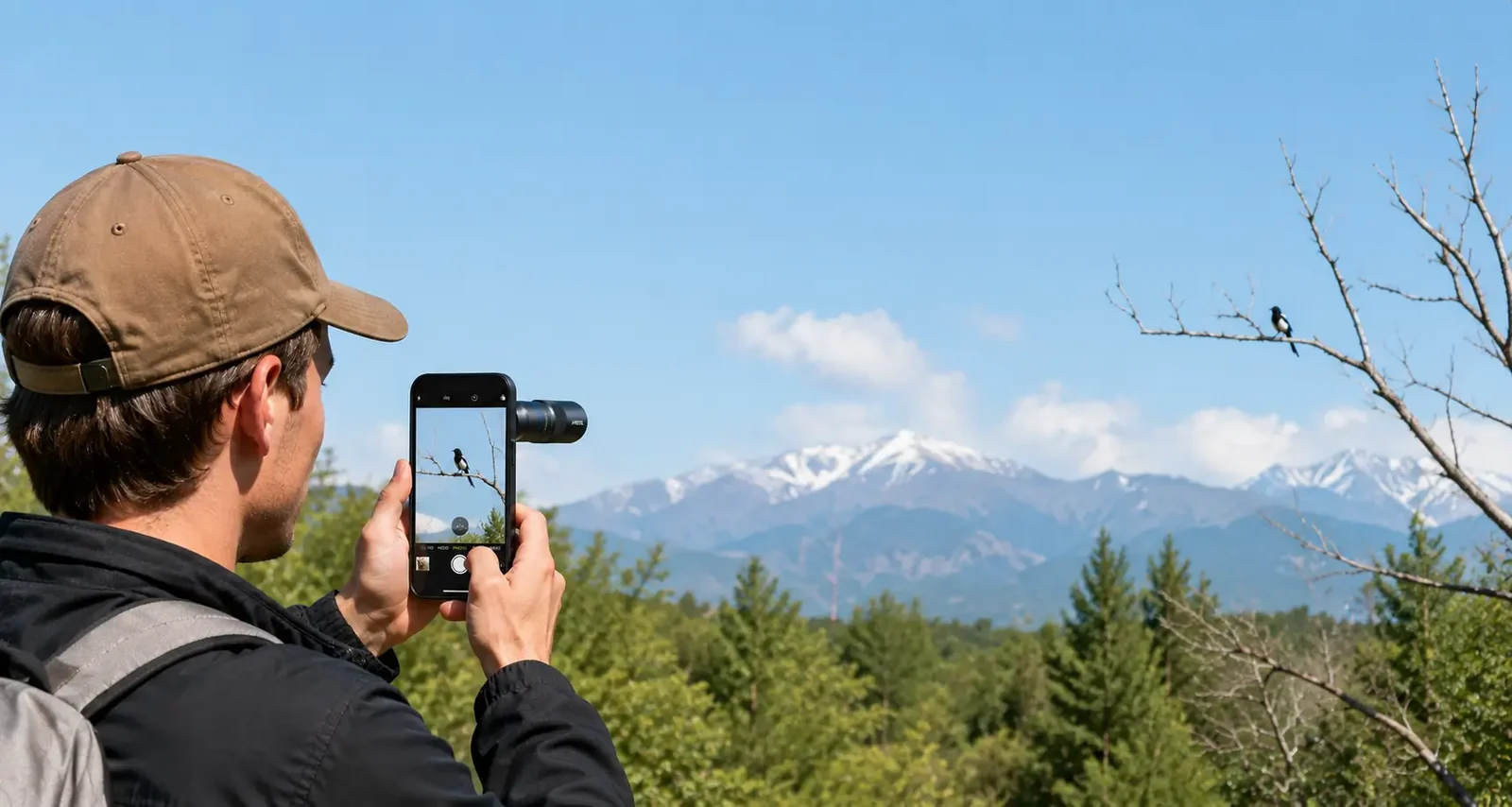
Getting closer to a subject is not always possible. Wildlife, sports events, street scenes from across a plaza, architectural details high on a building, these all demand reach that a standard smartphone lens cannot provide. Telephoto clip-on attachments use optical magnification to bring distant subjects closer without the quality loss associated with digital zoom.
For birders, sports fans or travelers who want to capture a distant mosque minaret or mountain ridge without carrying a long telephoto prime, a compact telephoto clip-on offers a practical solution. The key is pairing it with a stable grip or tripod, since higher magnification amplifies any camera shake, making steadiness more critical than it would be at a standard focal length.
Macro Lenses for Close-Up Work
Few photographic disciplines reward detail as richly as macro photography. The veining on a leaf, the structure of a flower’s stamen, the surface texture of fabric or wood grain, these subjects reveal an entirely different visual world when captured at close range. Smartphone sensors handle macro work surprisingly well when given the right optics and this is where clip-on macro lenses from Apexel perform particularly well.
Their macro attachments allow photographers to focus at very short distances, unlocking subject matter that would otherwise be impossible to capture clearly with a standard phone lens. Product photographers shooting for e-commerce, food bloggers capturing ingredient textures and nature enthusiasts documenting insects or plant structures all find macro capability genuinely useful in daily work.
Accessories That Round Out a Mobile Photography Kit
Lenses alone do not complete a mobile photography setup. A solid kit also includes
- Adjustable phone tripods that hold the device steady for long exposures and video work
- Universal clip mounts that fit securely on a wide range of phone sizes and cases
- LED ring lights for consistent, flattering illumination in low-light environments
- Lens cases and protective pouches that keep glass surfaces clean and scratch-free during transport
- Remote shutter controls for self-portraits and situations where touching the phone would introduce blur
Combining a well-chosen lens with the right supporting accessories means fewer missed shots, more consistent results and a mobile setup that can handle a wider range of shooting conditions without improvisation.
Choosing the Right Lens for Your Style of Shooting
The best lens attachment is the one that fills the gap between what a smartphone natively captures and what a particular photographer consistently needs. A travel journalist who shoots cramped hotel lobbies and wide street scenes will prioritize wide-angle coverage. A wildlife enthusiast photographing birds from a distance needs telephoto reach. A food blogger obsessed with texture details will gravitate toward macro. Understanding shooting habits before investing in glass prevents buying attachments that spend most of their time in a drawer.
It also helps to consider compatibility. Lens clip systems vary in how securely they attach to different phone models and a lens that shifts slightly during shooting introduces blur that editing cannot fix. Apexel designs its mounting systems to work across a broad range of devices, but checking compatibility with a specific phone model before purchasing is always a sensible step.
Why Optical Quality Matters More Than the Spec Sheet
Marketing numbers on lens attachments, stated magnification, claimed field-of-view angles, can be misleading when the underlying glass quality is poor. A lens that claims 20x magnification but introduces heavy distortion, purple fringing and soft edges at the corners is less useful in practice than a modest 4x attachment with clean, sharp optics across the full frame.
The way to evaluate lens quality is through real-world test shots under varied lighting conditions, not specification comparisons. Photographers who have spent time with products from Apexel consistently note the clarity and minimal aberration across their lens range as a distinguishing factor compared to generic alternatives at similar price points.
Mobile photography continues to close the gap with traditional camera systems and the right optical accessories are a meaningful part of that progress. For photographers who want to push what their phone can do without adding significant weight or complexity to their kit, clip-on lenses remain one of the most practical investments available.