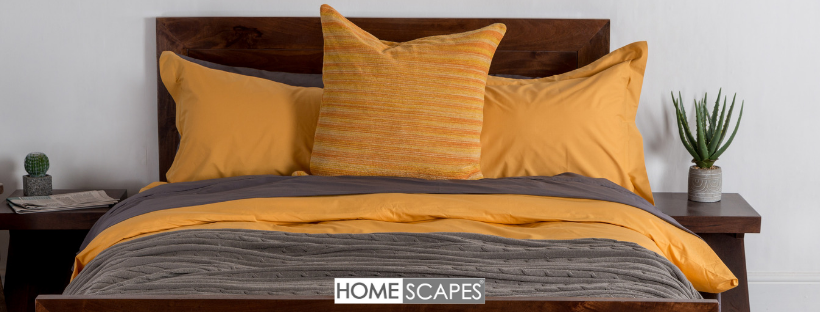
Interior trends cycle through quickly and what looks fresh in one season can feel dated not long after. This creates a challenge for anyone trying to put together a home that feels genuinely good to live in, rather than just stylish in photographs. The answer, for most people, has less to do with following trends and more to do with choosing pieces that work well together, hold up over time and actually suit the way the space gets used.
Starting With What the Room Actually Needs
A well-furnished room begins with a clear understanding of how that space functions day to day. A living room that hosts guests regularly has different requirements than one used mainly for quiet evenings. A dining space that doubles as a home office needs furniture with enough flexibility to serve both purposes without looking chaotic or temporary. Getting this foundation right makes every subsequent decision easier and the result more coherent.
Before choosing any specific piece, it helps to map out the practical requirements the traffic flow through the room, the natural light at different times of day, the amount of storage needed and how many people use the space regularly. These practical details shape every furniture decision that follows. Rooms that feel genuinely well planned almost always started with this kind of clear-eyed assessment of how the space actually gets used, not just how it might look once furnished.
The Case for Investing in Core Pieces
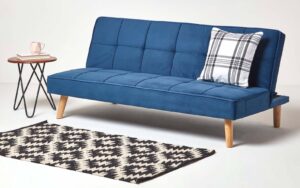
Not every item in a room needs to be expensive, but the pieces that see the most use deserve the most attention. A sofa that gets used every day for years needs to be well-made, comfortable and covered in a fabric that holds up to regular contact. A dining table that seats the family every evening needs to be stable, the right size for the room and finished in a way that doesn’t show wear after a few months of use.
Homescapes carries a broad range of home furnishings covering these core categories, from sofas and armchairs to dining sets, beds and storage solutions. The range spans different styles and price points, which makes it possible to prioritise spending on the pieces that matter most without compromising across the board. A well-chosen sofa paired with more modest accent pieces often looks far better than a room where everything was bought at the same midrange level without any clear hierarchy of importance.
How to Think About Style Without Chasing Trends
Style is personal, but it is also consistent. The homes that feel most considered tend to have a clear visual logic running through them, whether that is a shared material palette, a recurring colour tone or a consistent level of formality. This doesn’t mean everything has to match exactly. It means the pieces have been chosen with some awareness of how they relate to each other and to the room as a whole.
A useful way to approach this is to choose one or two anchor pieces with a clear style direction, then build the rest of the room around them. An anchor piece can be a statement sofa, a distinctive dining table or a well-designed bed frame. Once that piece is in place, the rest of the decisions become easier because there is something to refer back to. Homescapes offers pieces across a range of interior styles, from clean contemporary lines to warmer and more traditional shapes, which makes it possible to find that anchor piece without narrowing the field too early in the process.
Practical Considerations That Often Get Overlooked
Several practical factors tend to be underestimated when people are choosing furniture and they cause problems that are difficult to fix later. Scale is the most common issue. A sofa that looks reasonable in a showroom can overwhelm a modest living room and a dining table that seems generously sized in a photograph can leave very little space for chairs when placed in an actual room. Getting scale wrong is expensive to correct and disruptive to live with in the meantime.
- Measure the room carefully and mark out the footprint of large pieces with tape before ordering
- Account for door and window clearances when planning furniture placement in any layout
- Check the dimensions of upholstered pieces in both upright and reclined positions
- Consider storage requirements when choosing beds, sofas and ottomans with built-in options
- Factor in natural light when choosing fabric colours, as they can read very differently across conditions
Taking the time to work through these details before placing an order saves a significant amount of frustration later. The product pages at Homescapes include detailed dimensions for each item, which makes cross-checking against room measurements straightforward rather than a matter of guesswork or optimistic estimation.
Bringing a Room Together Over Time
Few rooms come together perfectly in a single shopping session and expecting them to is a reliable path to disappointment. The rooms that feel most considered are usually the result of gradual additions a rug that ties the seating area together, a lamp that changes the atmosphere in the evenings, a piece of storage that solves a practical problem while adding visual interest. Each addition has time to settle in before the next one arrives, which makes it easier to see what the room still needs.
This phased approach also makes it easier to stay within a budget without compromising on quality where it matters most. Starting with the furniture that gets used every day and adding to it over time gives each piece time to show whether it works before the next purchase follows. The range available through Homescapes covers enough ground to support this kind of gradual approach, from large upholstered pieces to smaller decorative and functional additions that complete a room rather than anchor it.
Furnishing a home well is less about following rules and more about making deliberate choices that serve the people living there and Homescapes makes that process easier with a range that rewards thoughtful browsing.