
Few theatrical productions manage to balance darkness and genuine warmth in the same breath. Based on Roald Dahl’s beloved novel, Matilda the Musical tells the story of an extraordinary girl navigating a world that consistently underestimates her and does so with a theatrical imagination that keeps audiences returning long after their first visit. The show has run in the West End, on Broadway, in touring productions and in major theatres across multiple countries, accumulating a reputation that holds across all of them.
The Story That Drives the Production
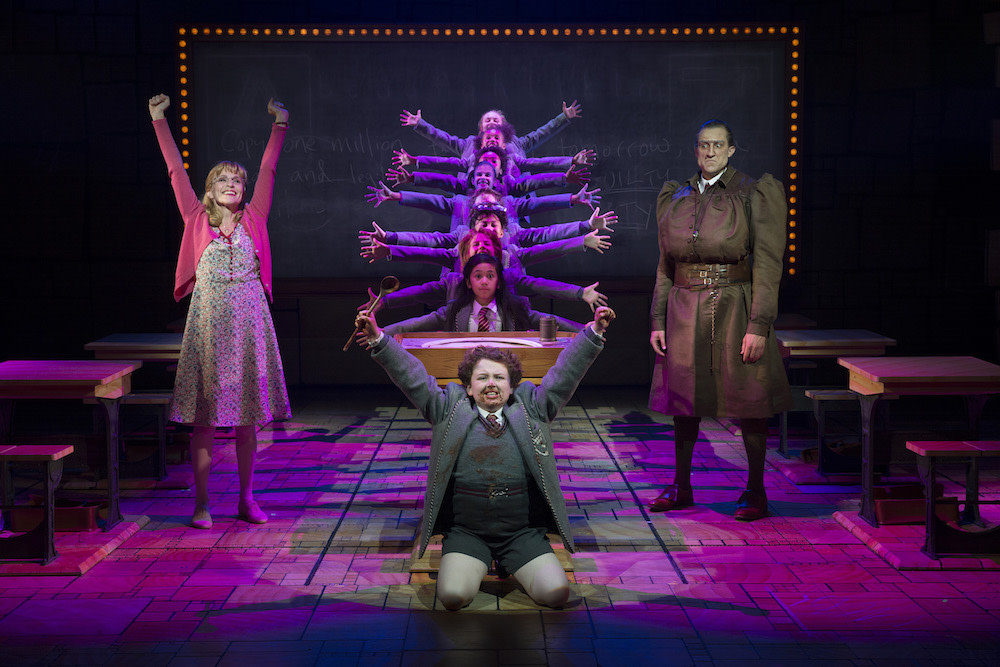
At the center of the show is Matilda Wormwood, a girl of exceptional intelligence growing up in a household that pays no attention to her inner life. Her father, preoccupied with petty schemes and television and her mother, fixed on dance competitions and her own reflection, treat her as an inconvenience rather than a person. When Matilda arrives at Crunchem Hall under the reign of the formidable headmistress Miss Trunchbull, she encounters cruelty on an institutional scale and also Miss Honey, the first adult in her life who recognizes what she is actually capable of.
The story moves between domestic comedy and something considerably darker, touching on themes of neglect, resilience and the stubborn refusal to accept the version of yourself that careless adults choose to assign. That combination of lightness and weight is what separates this show from more straightforwardly cheerful family musicals and what gives it staying power with audiences who might not ordinarily seek out theatre.
What the Production Brings to the Stage
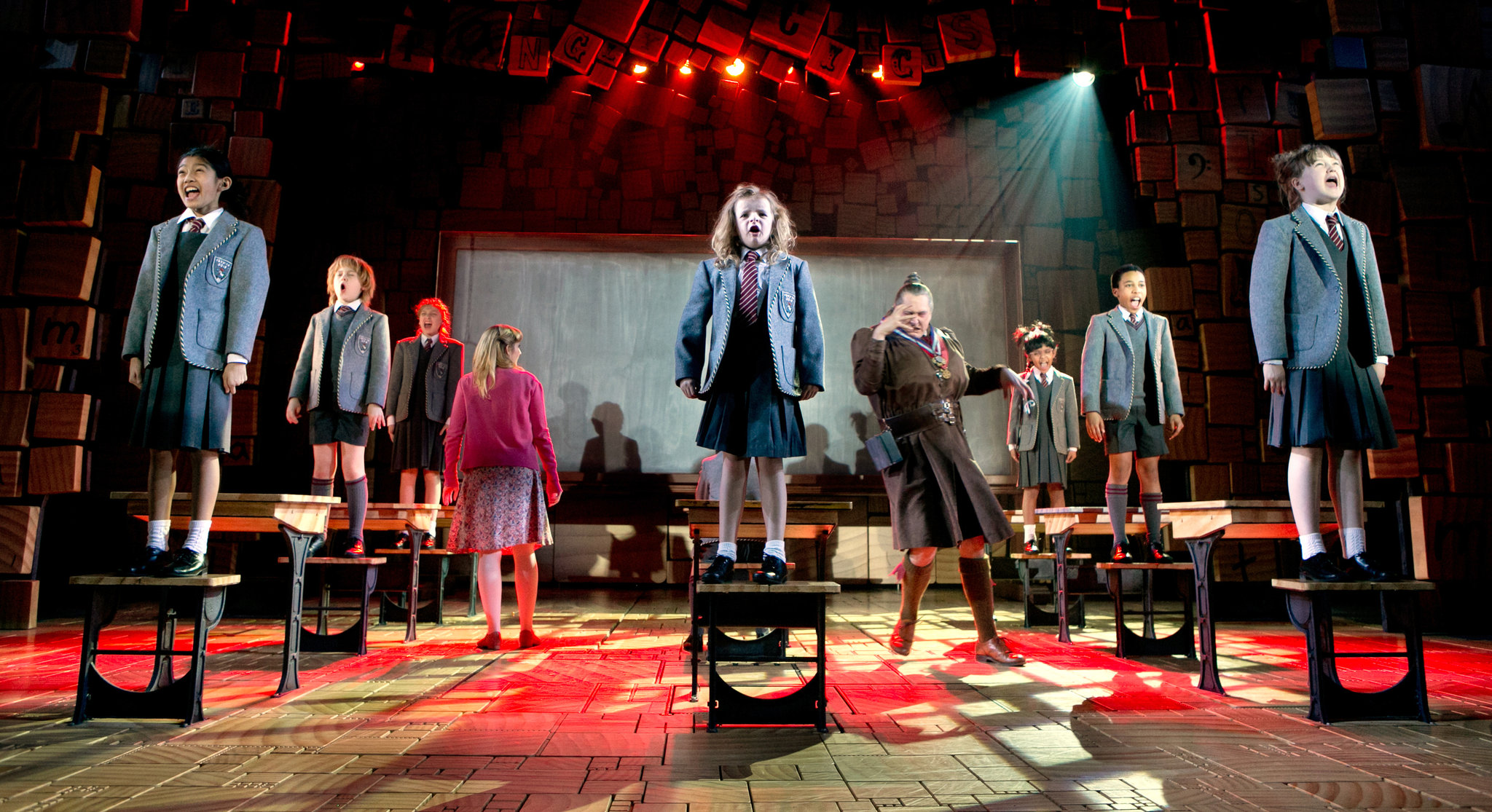
The set design is among the most recognizable in contemporary musical theatre. Letters of the alphabet cover every available surface, reflecting Matilda’s relationship with books and language while also creating a visual environment that feels genuinely inhabitable rather than decorative. The staging of sequences involving large groups of children demands physical precision and the production delivers it consistently, particularly in ensemble numbers where timing produces effects that read as theatrical rather than simply choreographed.
Puppetry, physical comedy and moments of visual surprise give the show a texture that rewards both children encountering it for the first time and adults attending repeat visits. The design choices serve the story rather than drawing attention to themselves, which is rarer in large-scale musical theatre than it might seem. Seeing it live through Matilda the Musical ticket options lets audiences experience those choices in the context they were built for.
The Music and How It Works
Tim Minchin wrote the music and lyrics and his approach differs from the ballad-driven tradition that dominates much of the musical theatre repertoire. The songs tend to advance the story rather than pause it for reflection and many of the most effective numbers belong to child characters rather than adult leads. Naughty, one of the show’s best-known pieces, articulates a form of quiet personal rebellion that sits at the moral center of the story and lingers beyond the performance itself.
The ensemble numbers in the school scenes use overlapping vocal lines and rhythmic density in a way that feels less like a conventional chorus and more like controlled chaos held just within the boundaries of form. The score rewards multiple hearings, which partly explains why audiences who have seen the show once tend to return to it.
Who the Show Appeals To
- Children between roughly eight and fourteen tend to respond to the central character directly and immediately.
- Adults who grew up reading Roald Dahl’s novel bring their own relationship with the source material and often find the adaptation adds rather than diminishes.
- Theatre regulars with an interest in production design will find specific sequences worth attending to independently of the story.
- First-time theatregoers find the pacing and clarity accessible without the experience feeling simplified or condescending.
- Group bookings for families, school parties or social gatherings work well given the broad tonal range of the piece.
Planning a Visit
Booking in advance is worth doing, particularly for weekend and school holiday performances when availability narrows faster. The running time, which includes an interval, means an evening visit requires a few hours set aside rather than a quick post-dinner stop. Arriving slightly early gives audiences time to settle before an opening that begins without much preamble.
The show has been staged in multiple cities across different countries, so checking what is currently running in a specific location is the practical first step for anyone planning to attend. Matilda the Musical maintains an official booking channel that shows current productions and available dates by venue, which simplifies the process of finding a performance in a given region. Seat selection within a venue also makes a difference to how clearly some of the staging reads, so it is worth spending time on this step rather than defaulting to the first available option. Matilda the Musical group rates and specific school booking arrangements are also available through the official channel for parties with larger numbers.
Why the Show Holds Its Place in the Repertoire
A production that wins major awards on debut and then sustains long runs across different countries and decades is doing something audiences find difficult to replace. This show accomplishes something specific it takes a story that is fundamentally about a child’s inner life and stages it without condescension, either to the child characters or to the children watching. The balance between humor and emotional weight requires careful calibration and different productions have maintained that balance across changing casts and venues.
The story also functions as a case for the value of reading, thinking independently and refusing to accept the identity that convenient adults want to assign. That argument carries weight for audiences of different ages and for reasons that extend well beyond the form. For anyone considering live theatre as an experience worth trying, this remains one of the clearer starting points available. Matilda the Musical offers something that translates reliably across different audiences and different kinds of familiarity with the original story.
For a show built around the idea that small people can change their own stories, the fact that it keeps finding new audiences is a fairly satisfying proof of its own argument.