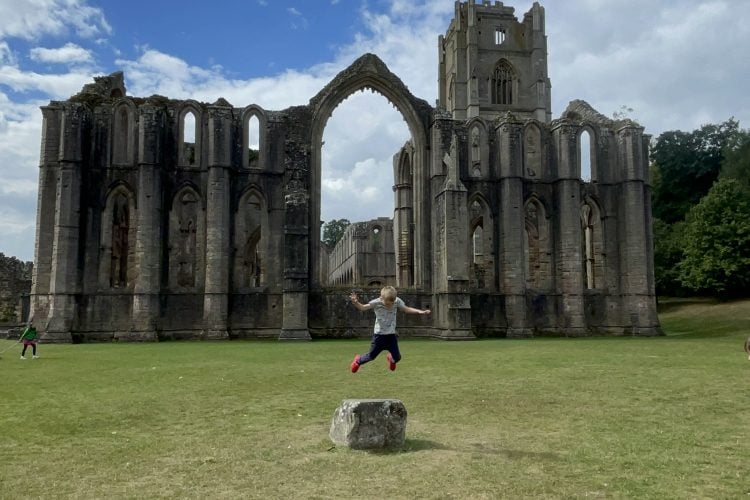
Some of the most memorable days don’t involve expensive tickets, packed itineraries, or rushing from one attraction to another. Instead, they happen when you slow down, wander through centuries-old gardens, explore a grand historic house, or take a peaceful walk along a dramatic stretch of coastline. That is exactly the kind of experience the National Trust continues to offer across the UK.
As more people look for meaningful travel, nature-based experiences, and places that encourage genuine connection, the National Trust has become far more than a heritage organisation. It has evolved into a gateway for discovering Britain’s landscapes, history, gardens, wildlife, and hidden gems while actively protecting them for future generations. With members helping care for more than 500 special places, extensive coastlines, countryside, gardens, and historic buildings, every visit also supports long-term conservation efforts.
Britain’s Best Experiences Often Hide Beyond the Tourist Hotspots
Many travellers automatically head to famous cities or well-known landmarks. Yet some of Britain’s richest experiences can be found away from crowded streets.
The National Trust opens the door to places that many visitors might otherwise overlook. Ancient woodlands, elegant manor houses, cliffside walking routes, peaceful gardens, and historic villages all tell stories that cannot be experienced through photographs alone.
Rather than simply visiting a destination, guests become part of its story. Every walk reveals local history, changing wildlife, seasonal colours, and architecture that has shaped communities for generations.
Slow Travel Is Becoming the Luxury Everyone Wants
Travel trends continue to shift away from rushing through packed schedules. Increasingly, people want experiences that allow them to unwind, disconnect from busy routines, and spend quality time outdoors.
This makes the National Trust especially relevant today. Instead of encouraging visitors to tick attractions off a checklist, many of its locations naturally invite people to stay longer, enjoy scenic walks, browse historic rooms, or simply sit surrounded by nature.
That slower pace often creates the most memorable moments, whether it is enjoying a woodland picnic, watching wildlife, or taking in sweeping coastal views.
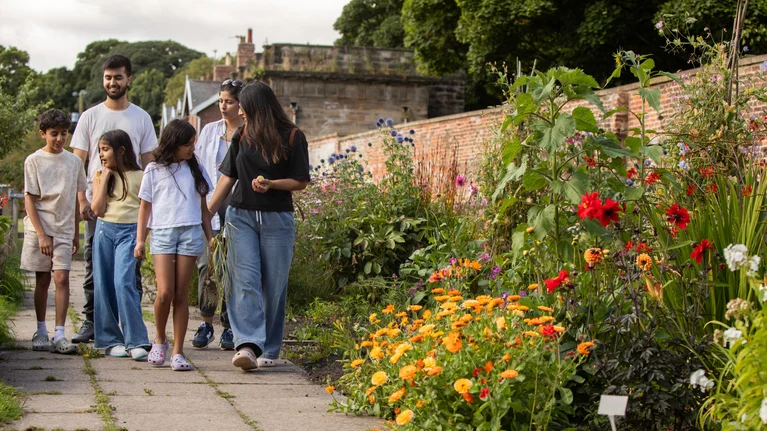
Every Visit Quietly Supports Something Bigger
One of the most rewarding parts of visiting National Trust places is knowing that your visit contributes to preserving Britain’s heritage.
Memberships help fund the protection of historic buildings, conservation of collections, restoration of landscapes, tree planting, wildlife habitats, and projects designed to improve resilience against climate change. Recent strategies also focus on restoring nature-rich landscapes, expanding biodiversity, and caring for rivers, peatlands, woodlands, and coastlines.
Rather than existing purely as visitor attractions, these places remain living environments that continue to evolve while protecting their historical character.
The Best Family Days Out Create Memories Instead of Screen Time
Families today often search for experiences that bring everyone together without relying on technology.
The National Trust has long recognised that outdoor exploration inspires curiosity in children far more naturally than structured entertainment.
From woodland adventures and nature trails to seasonal gardens and interactive heritage sites, every visit offers opportunities to learn through experience. Children discover wildlife, history, architecture, and landscapes simply by exploring at their own pace, creating family memories that often last much longer than another day spent indoors.
Heritage Feels More Welcoming Than Ever
Historic houses once carried a reputation for being formal or difficult to relate to. That perception has changed considerably.
The National Trust continues to introduce thoughtful ways of making heritage more welcoming and accessible while maintaining careful conservation standards. Across many properties, visitors are encouraged to spend more time relaxing, exploring, and connecting with the spaces rather than simply walking through them. Recent initiatives even include creating more comfortable spaces for reading and reflection within selected historic properties.
This more relaxed approach allows visitors to appreciate history in a personal way instead of feeling like passive observers.
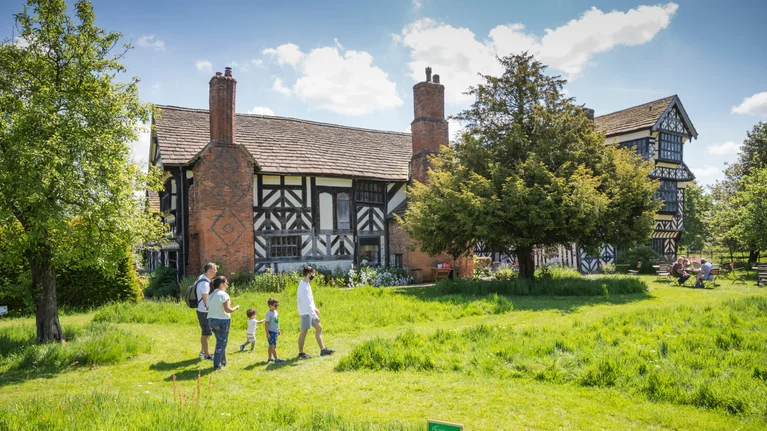
What to Consider Before Planning Your Visit
A little planning can help make every visit even more rewarding.
Consider these helpful tips:
- Check seasonal opening times before travelling.
- Look for special exhibitions, guided walks, and family events.
- Wear comfortable footwear, especially for countryside or coastal routes.
- Allow extra time beyond the house itself to enjoy gardens and walking trails.
- Membership can offer excellent value for those planning multiple visits throughout the year while directly supporting conservation work.
Many visitors are surprised by how different each location feels. No two properties offer exactly the same combination of history, scenery, architecture, or wildlife, making every return visit feel fresh.
The National Trust Makes Meaningful Days Out Feel Effortless
The best places are often the ones that leave you feeling refreshed long after you have returned home. Through its remarkable collection of historic houses, gardens, landscapes, and coastlines, the National Trust continues to show that heritage is not simply something to admire. It is something to experience.
Whether you are seeking peaceful weekends, memorable family outings, beautiful walking routes, or a deeper appreciation of Britain’s natural and cultural heritage, every visit offers far more than a day out. It becomes part of an ongoing effort to preserve extraordinary places while creating new memories in some of the country’s most inspiring settings.