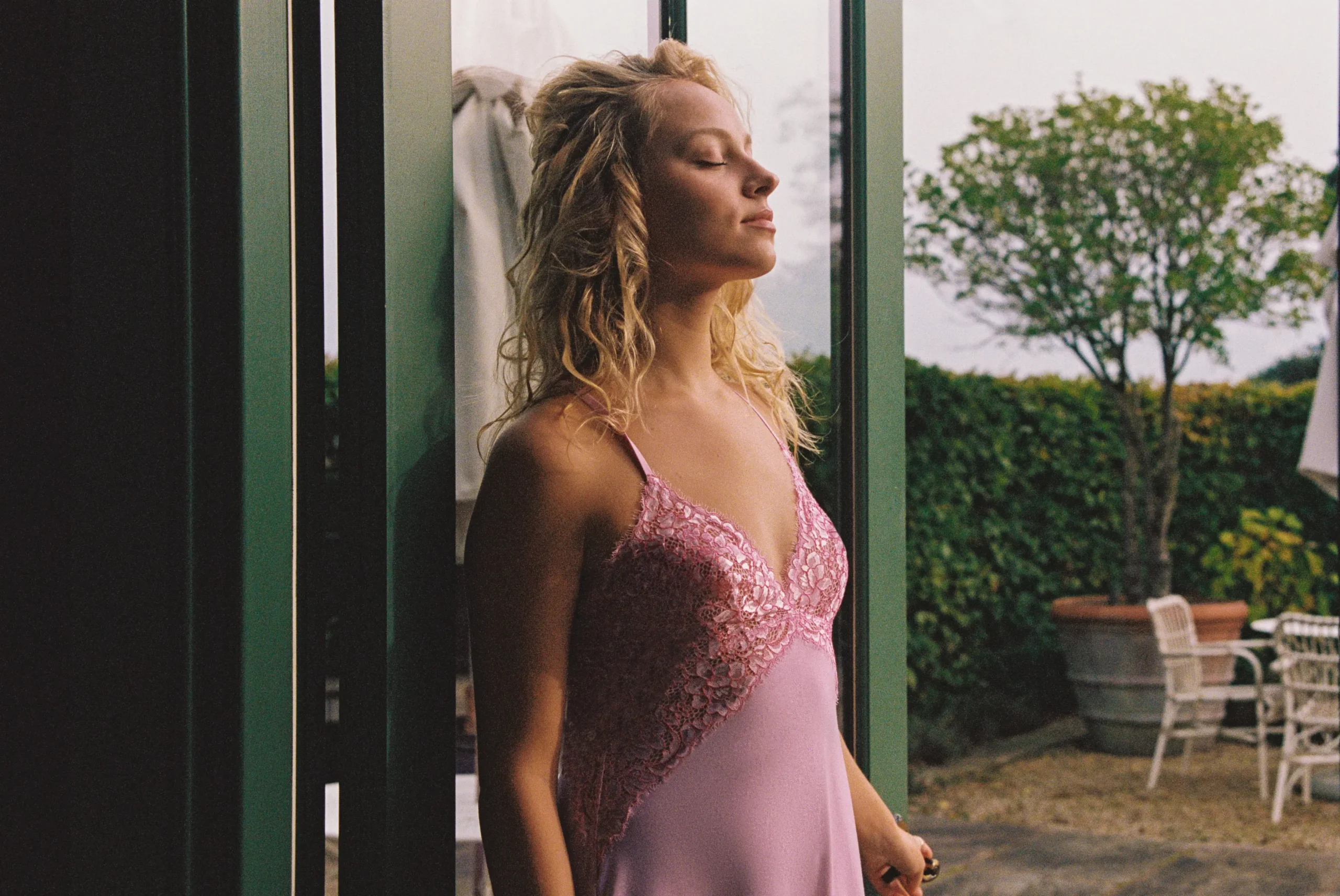
For a long time, lingerie sat in a very specific category: something functional, something hidden, and something often designed more for appearance than actual comfort. It was either overly structured, overly delicate, or tied too strongly to traditional ideas of how intimate wear “should” look. But modern fashion has shifted, and so have expectations. Today, people want lingerie that feels as good as it looks, not something reserved only for special occasions or external validation.
That shift is where Cosabella naturally fits into the conversation. Founded in Italy in 1983 and known for its “no visible panty line” innovations and soft, wire-free designs, the brand built its identity around comfort-driven lingerie long before it became a mainstream expectation. Instead of treating lingerie as restrictive or purely aesthetic, Cosabella helped push it toward something more wearable, inclusive, and aligned with real daily life.
And in today’s world, where comfort has become just as important as style, that approach feels less like a niche and more like a blueprint.
Comfort Became the New Standard, Not a Bonus Feature
There was a time when lingerie was expected to “do a job” visually, even if it wasn’t comfortable. Tight seams, structured wires, and rigid shaping were often accepted as part of the experience. But modern consumers are no longer willing to tolerate discomfort just for aesthetics.
That is where Cosabella stands out. The brand is widely known for its soft Italian lace, stretch fabrics, and wireless designs that prioritize wearability while still maintaining a refined aesthetic.
This reflects a broader shift in consumer behavior: lingerie is no longer just about how it looks under clothes, but how it feels throughout the entire day. People are wearing it for longer hours, across different settings, and often pairing it with more relaxed wardrobes like loungewear, oversized shirts, and soft tailoring.
Comfort has also become linked with wellbeing. If clothing sits correctly, doesn’t dig into the skin, and allows natural movement, it subtly affects confidence and mood throughout the day. That is one of the understated reasons comfort-focused lingerie has become so popular.
Lingerie Is No Longer Just for “Occasions”
Another major change in fashion culture is the decline of the idea that lingerie is only for special moments. Instead, it has become part of everyday wardrobe planning, similar to activewear or loungewear.
Brands like Cosabella have contributed to this shift by offering collections that are designed for daily wear, not just visual appeal. The focus on seamless construction, breathable fabrics, and lightweight support makes the pieces suitable for long-term use rather than short-term styling moments.
This change is also tied to how fashion itself has evolved. As work-from-home culture and hybrid lifestyles became more common, clothing categories blurred. People started prioritizing garments that work across multiple environments rather than highly specific outfits for specific occasions.
Lingerie followed the same path. Instead of being something hidden or saved for certain moments, it became part of a broader comfort-first wardrobe system.
Soft Luxury Replaced Overly Structured Intimate Wear
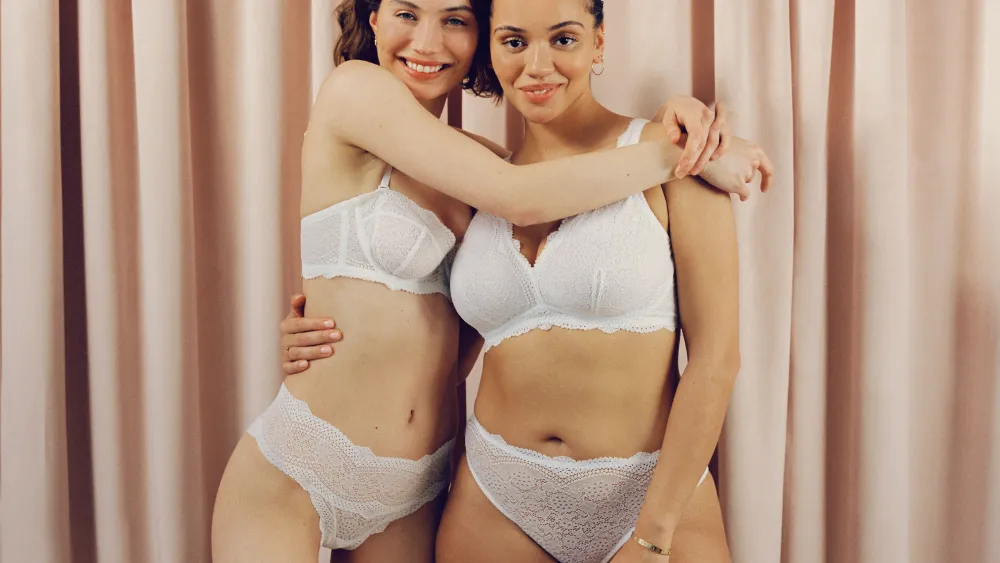
Luxury used to be defined by structure, control, and formality. In lingerie, that often meant underwire, heavy shaping, and rigid construction. But the definition of luxury has shifted toward something much softer and more personal.
That is where Cosabella aligns with modern preferences. The brand’s use of Italian lace combined with stretch-focused design creates a version of luxury that feels effortless rather than restrictive.
This reflects a wider trend across fashion and wellness: people are moving away from “suffering for style” and toward products that integrate into daily life without friction. Soft luxury is not about excess or showiness anymore. It is about ease, touch, and emotional comfort.
Interestingly, this shift also connects to mental wellbeing. Clothing that feels physically comfortable reduces background stress in daily life. Small things like straps, seams, or tight fits can affect focus and mood more than people often realize.
As a result, lingerie is now being evaluated not just as fashion, but as part of everyday wellbeing.
Inclusive Design Became a Core Expectation, Not a Trend
Modern consumers expect lingerie to reflect a wider range of bodies, preferences, and identities. The days of one narrow beauty standard dominating design decisions are slowly fading, replaced by a demand for inclusivity and adaptability.
Cosabella has been known for offering extended sizing, flexible fits, and designs that prioritize adaptability over rigid shaping. The brand’s approach to sizing systems like its “Never Say Never” collection reflects an understanding that bodies do not fit into fixed categories. (c
This matters because lingerie is one of the most personal clothing categories. Fit, comfort, and confidence are deeply interconnected here in ways that go beyond general fashion. When lingerie fits well, it changes posture, movement, and even how clothing sits on top of it.
There is also a cultural shift happening around representation. Consumers increasingly want brands that acknowledge diversity not as a marketing angle, but as a design reality.
That expectation has reshaped how lingerie is developed, tested, and marketed across the industry.
Lingerie Became Part of the “Self-Care Wardrobe”
One of the most interesting developments in fashion is how clothing categories are merging with self-care culture. Lingerie is no longer only about external presentation. It is also about how someone feels internally while wearing it.
That is where Cosabella fits into modern lifestyle thinking. The emphasis on softness, flexibility, and daily comfort turns lingerie into something closer to a personal wellbeing product than a purely aesthetic one.
This reflects a broader trend where people are choosing clothing based on emotional experience as much as visual appeal. If something feels restrictive, it is less likely to be worn consistently, regardless of how attractive it looks.
As a result, lingerie is increasingly being chosen based on how it integrates into routines rather than how it performs in isolated moments.
The Line Between Lingerie, Loungewear, and Everyday Clothing Is Blurring
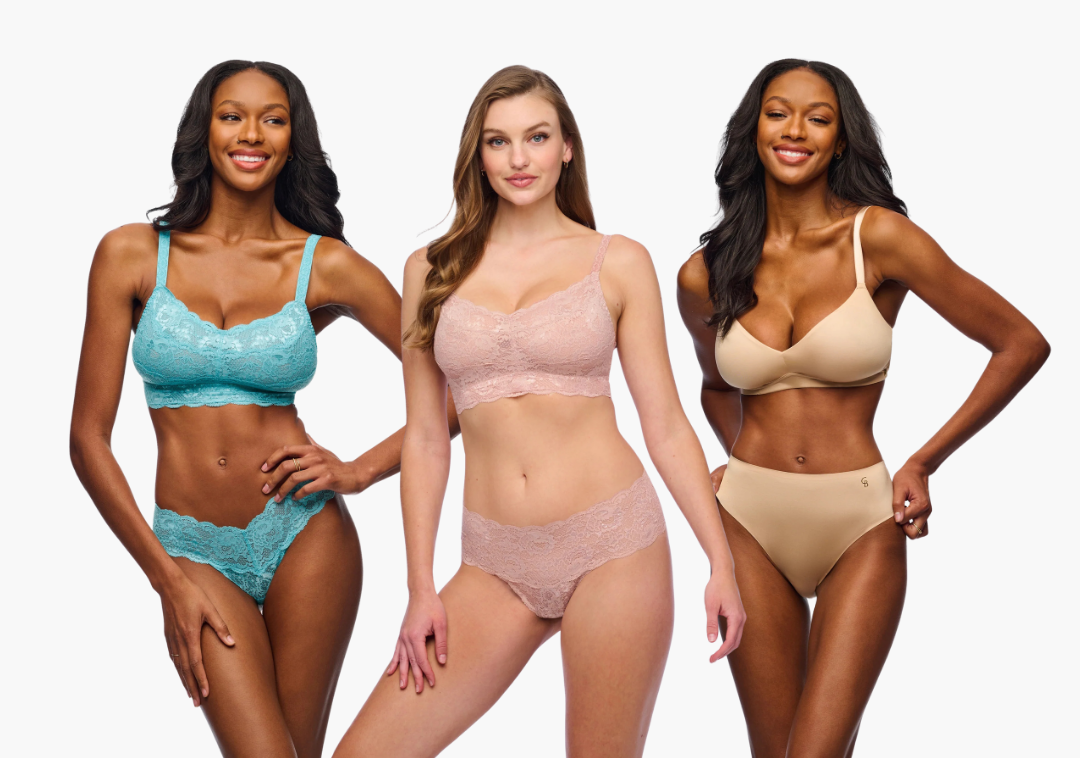
Fashion categories are becoming less rigid. Lingerie now overlaps with loungewear, athleisure, and even everyday basics. Soft bralettes, seamless underwear, and flexible lace designs are often worn as part of full-day outfits rather than hidden layers.
Cosabella plays directly into this shift by offering designs that transition easily between private and public wear.
This blending of categories reflects a larger lifestyle change. People want fewer wardrobe restrictions and more freedom in how they combine comfort and style. Instead of separating “home clothes” and “going out clothes” strictly, many now choose versatile pieces that work across both contexts.
That flexibility is becoming one of the most valuable qualities in modern fashion.
Why Modern Lingerie Is No Longer About Impressing Others
At the core of all these changes is a simple shift in mindset. Lingerie is no longer primarily about external validation. It is increasingly about personal comfort, self-expression, and daily confidence.
That is why Cosabella continues to feel relevant. Its approach reflects a broader movement toward clothing that supports real life instead of staging it. Soft materials, thoughtful construction, and wearable design all contribute to a version of lingerie that feels integrated rather than separate.
Not every piece needs to be revolutionary, and not every choice needs to be dramatic. Sometimes the most meaningful shift is simply wearing something that feels right throughout the day.
And in a world that is already demanding enough attention, that kind of quiet comfort is becoming its own form of luxury.